
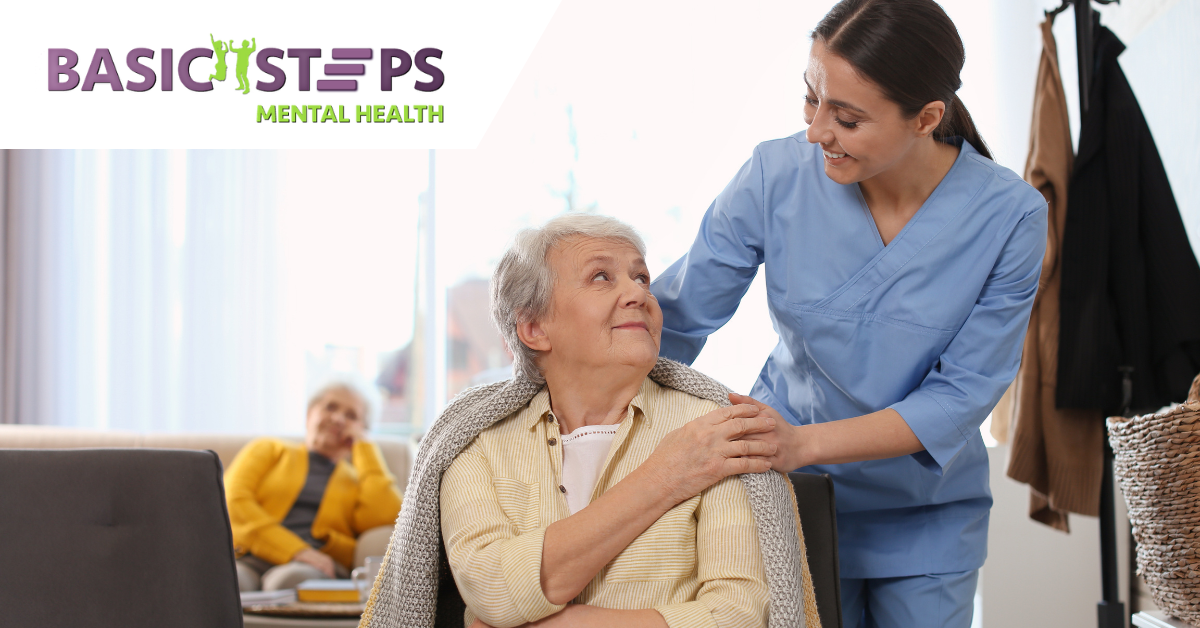
Improving Elder Care
My friend who lives in Los Angeles is spearheading a movement named Roar – which stands for Respect Oversight Advocacy and Reform – for Long Term Care. I am all to familiar with the problems she faced with her mother in care facilities and produced a few award winning films in the process.
Last weekend Roar had events in eight cities around the USA – one being Tacoma – which I participated in. It was to help bring awareness to people suffering in care facilities throughout the country. Me and another healthcare worker from Tacoma manned a booth and talked to people out for their morning jog – many of which asked to get involved with this cause.
These people told me more war stories of loved ones that got poor to almost no care at these facilities and tried to get help on their own but it was to daunting. All said we all may be the ones needing care in our retirement years and wanted to also help.
My father, step-father, and step mother spent their final days in long-term care. It is one thing seeing the entryway of the facility but another behind the scenes. Nurses who provided client care at these facilities signed up to take action, knowing first hand what needed to be changed and hoped a collective effort would do the trick.
These were some of the problems: People not being fed, addressed, given proper treatment resulting in bedsores and rashes that got infected and complicate matters. One person told us they paid $8,000 a month for their father’s luxury retirement facility, only to discover that if he didn’t make an effort to go downstairs and into the café – they wouldn’t feed him. After his father wasn’t fed for three days, he found out and makes it a habit to feed him daily.
Elders have rights and often are unable to provide their own self care. It broke my heart to hear that elder dignity seems to not be a priority in many of these facilities. How do we ensure elders are treated with kindness and respect? Obvious my friend has bitten off a lot but bless her for trying.
In the 1960s we mobilized change in one of two ways – civil disobedience (acting out violently) or with love, as did Martin Luther King and Mother Theresa. As always I choose the loving approach.
Who is responsible for guaranteeing all elderly persons are respected their later years? The government? Organizations? Corporations? Since we cannot ensure these entities will step up efforts then this area then the grass roots effort is what we are left with.
Statistically 1 – 10 people in Care facilities are being mistreated and Washington State is the 2nd worse state on the care of elderly persons. The first step to me is screening out bad workers. When care providers have mental illness or untreated anger, substance use, they should not be entrusted to care for vulnerable elders.
Counseling, education, and state oversight is the key for healthcare workers. There are policies and procedures that need to be enforced by the Department of Social and Health Services (DSHS) but they are undermanned. How many of these care facilities follow proper protocols?
If we all take the proper action if we bruises, a drastic change in behavior, cowering when a certain staff person comes in close proximity. Making a report to the facility first, then to the Department of Health and Social Services is the next step. Say something. After you make a report ask for a response by the facility within 3 days. At the hospital I worked at, an Adverse Event form needed to be filled out in 24 hours after an incident. On these forms, recommendations must be made to improve policies or create new ones.
The DSHS approves licensing. If a facility is not in compliance – they can risk losing their license.
To be honest, the bulk of elder neglect or mistreatment cases are committed by close family members. Be careful about who you entrust your family member with. With the economic state of our area – many cannot afford a care facility, so a family member is used to oversee the elder patient at home. Untrained care givers cause the most abuse. Imagine if you were stuck with caring for a person who abused you while you were growing up? This is usually the profile of an abuser. Abuse can be physical, emotional, and financial. Mostly it takes the form of withholding medication and healthcare. If you suspect abuse is taking place, get the caregiver into treatment. Domestic Violence groups, self-help meetings, individual counseling. These problems won’t go away on their own. They need to be processed through.
Me and my staff are mandated to complete 32 hours of continuing education each year. I believe in this state, in-home providers must complete 12 hours of continuing education but is that enough?
Let’s face it, the staff of a facility is the backbone of the organization. When a staff is communicating and problem solving together – it provides the best care. Daily debriefings – also known as shift changes – are a must. Here each patient needs to have a little presentation – if they took their medication, ate, received doctor treatment, and performed proper hygiene, etc. Don’t assume all their needs were met. Sometimes clients act out, refuse to take their medication and that information isn’t passed along.
Hey, if my loved one was in a care facility, I’d bring flowers to their staff, show kindness, maybe a meal, or at minimum hand out Sees Candies like my father used to do. I would do anything I could do to make the staff happier. Kindness is infectious and so is hate. Try to stay on a staff person’s good side.
All who are involved in elder care need to do the following:
- Education – learn about the treatment of elder persons – articles, classes, videos.
- Support system – support groups for yourself and the people who are caring for the person. Also regularly talk with family to vent feelings and come up with plans for every family member to support the cause. Basically share the load.
- Screening – background checks need to be completed before any person is active in care.
- Self-care – In order to help another person – you need to help yourself. We can’t give away what we don’t have. Take care of your body, your mind, emotions, and spirit.
Treatment for caregivers is especially important in the first two years of employment. It is an adjustment to be around people that are dependent and this can be frustrating for a close family member to handle.
Self help groups like Smart Recovery or Al Anon can help.
There are Domestic Violence courses that should be mandated when abuse is detected – unfortunately many cases of abuse are not reported.
My training is in trauma relief. I worked at a crisis center and clients were abusive.
If caretakers don’t take care of themselves – they often lash out at the clients. The more stressful the environment the more often abuse takes place. Therefore self care is crucial.
Erikson’s developmental Model – from birth to death we go through predictable stages. The final stage is Ego Integrity. Does your loved one have pride about a life well lived or are they in despair? Realizing that they didn’t obtain the dreams they wanted and it is too late to do so, can cause depression and suicide.
Talk with your loved ones. Let them tell you about their life. If they feel ashamed, help them to make a small contribution in the world. Sharing some of their wisdom for example. Or tell them about a problem of yours and ask them for advice.
Here is the phone number of DSHS – 800-737-0617 or get involved in Roar if that interest you.
Compassionate Care is Always Available
There are many more tools and strategies you can use in your pursuit of happiness. Here is where we come in. Contact us at Basic Steps Mental Health and let us support and educate you on this journey back to your loving heart center. Imagine living a heart-centered life, regardless of what is happening externally. We’d love to be of help.
For 25 years, Dr. Scott Alpert, the clinical director of Basic Steps Mental Health, has treated over 7,000 people with mental health and addiction problems, using a Psychological approach that mixes and matches ten of the top approaches used in the industry. We are here virtually and in-person to help you get through this COVID-19 pandemic and many other difficulties you may be experiencing.
May you have good mental health.
Related Posts

Special Memory #8
There are some interesting experiences as a therapist, which have aided me in...

Missing My Guide
Knowing nothing is a great place to start. I hope you end up there. -Roshi...